
Article courtesy of Driven Car Guide, by David Linklater
BAIC B30 Premium Adventure HEV 2WD review
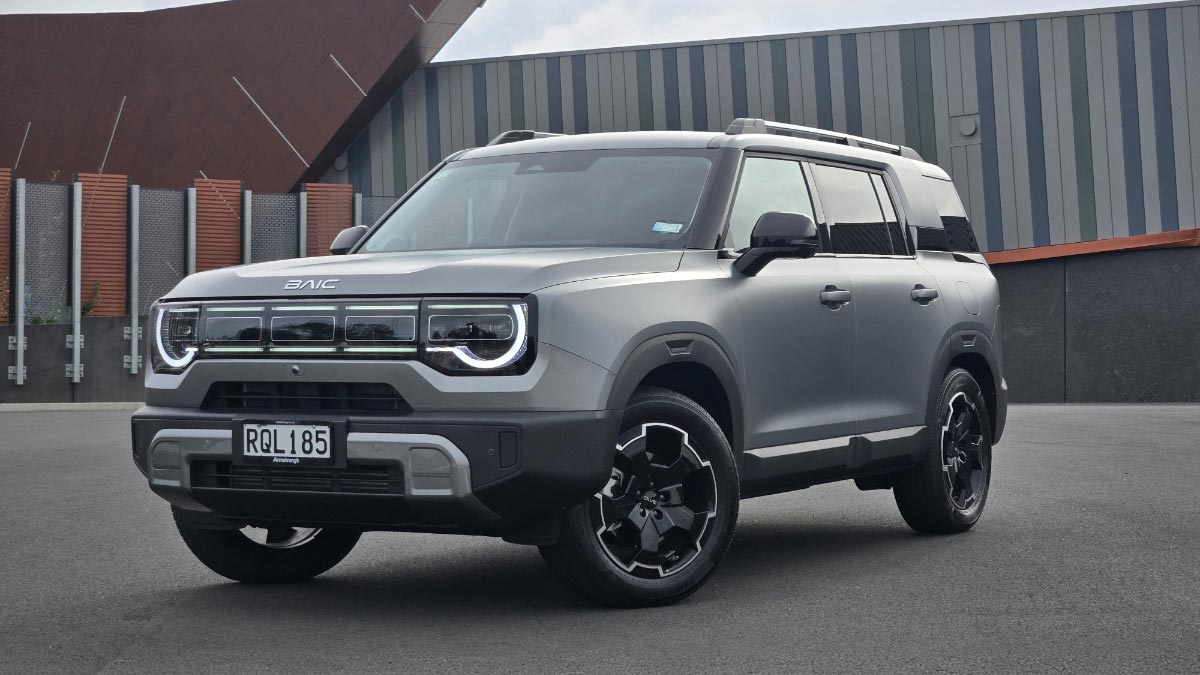
When the BAIC B30 SUV was launched in New Zealand back in February, it created a couple of points of difference among the influx of new brands and cars from China.
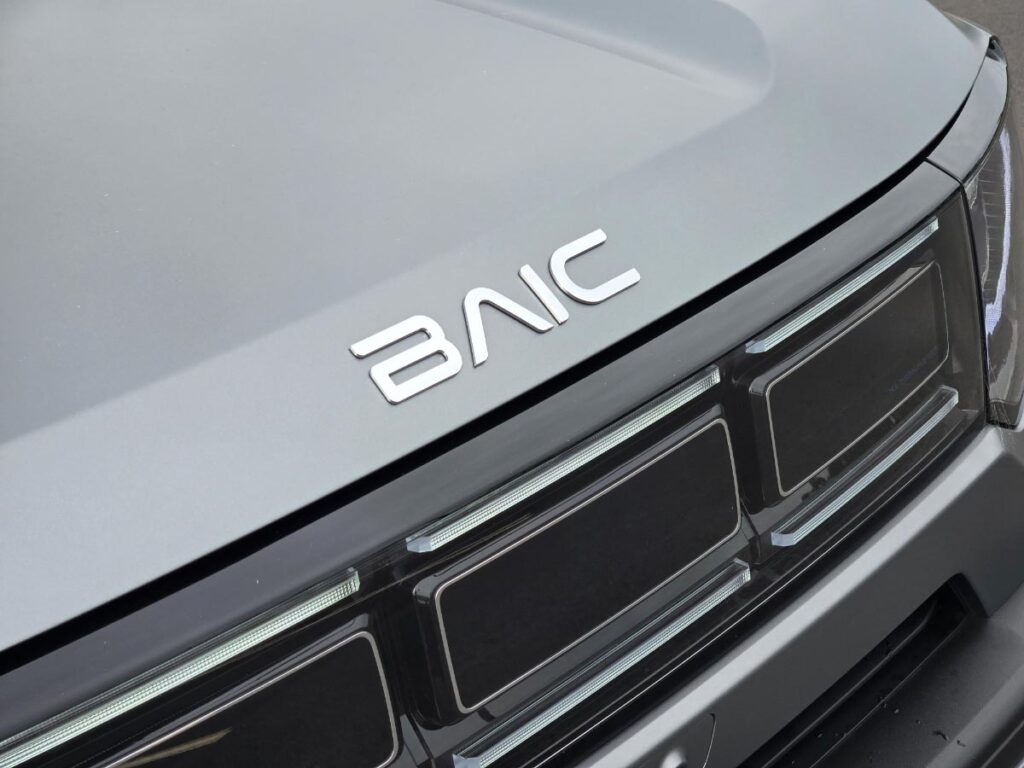
While many new models from China stick to a styling template of simplicity and smooth aero lines, the B30 is unashamedly upright and retro, drawing on BAIC’s background in 4x4s (not to mention its 1980s joint-venture with Jeep). And while many new cars from China are new-energy plug-ins, the B30 is hybrid-only – still the most popular electrified tech in NZ.
So the hybrid-SUV approach theoretically fits the NZ market like a glove. Family crossovers are the most popular type of new-vehicle year-to-date and of course the most popular one of all is petrol-electric: the Toyota RAV4.
BAIC offers the B30 in three versions: there’s an entry-level model (ICE only) and then two hybrids in Premium Adventure specification, which are the ones much more likely to attract image- and eco-conscious buyers (are they the same thing now?): one in 2WD, the flagship in AWD.
Our test car is the former. Which works fine, because despite the rugged look, the B30 is still very much a crossover, built on a passenger-car platform.
On the outside: what are the BAIC B30 Premium Adventure 2WD’s main design features?
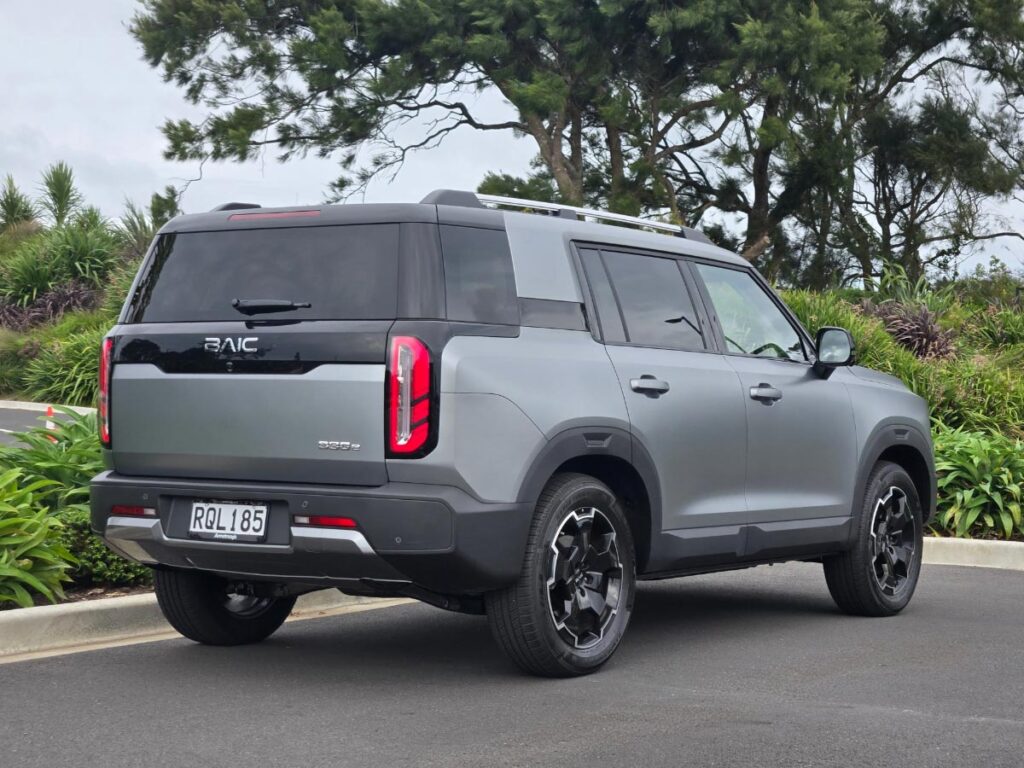
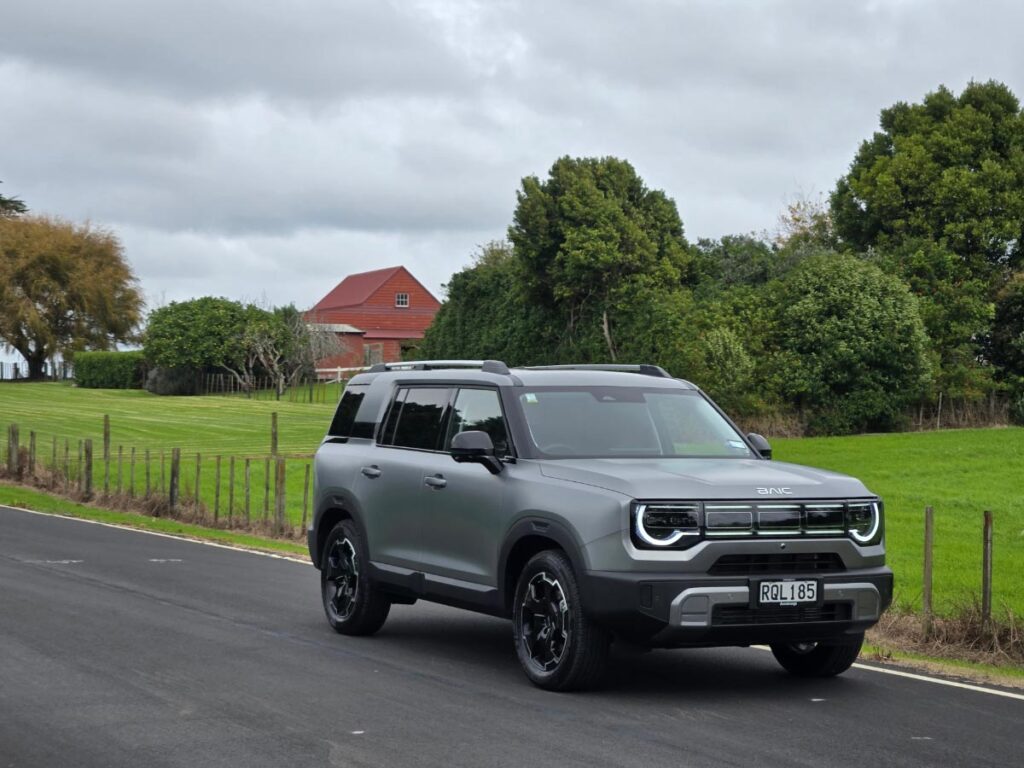
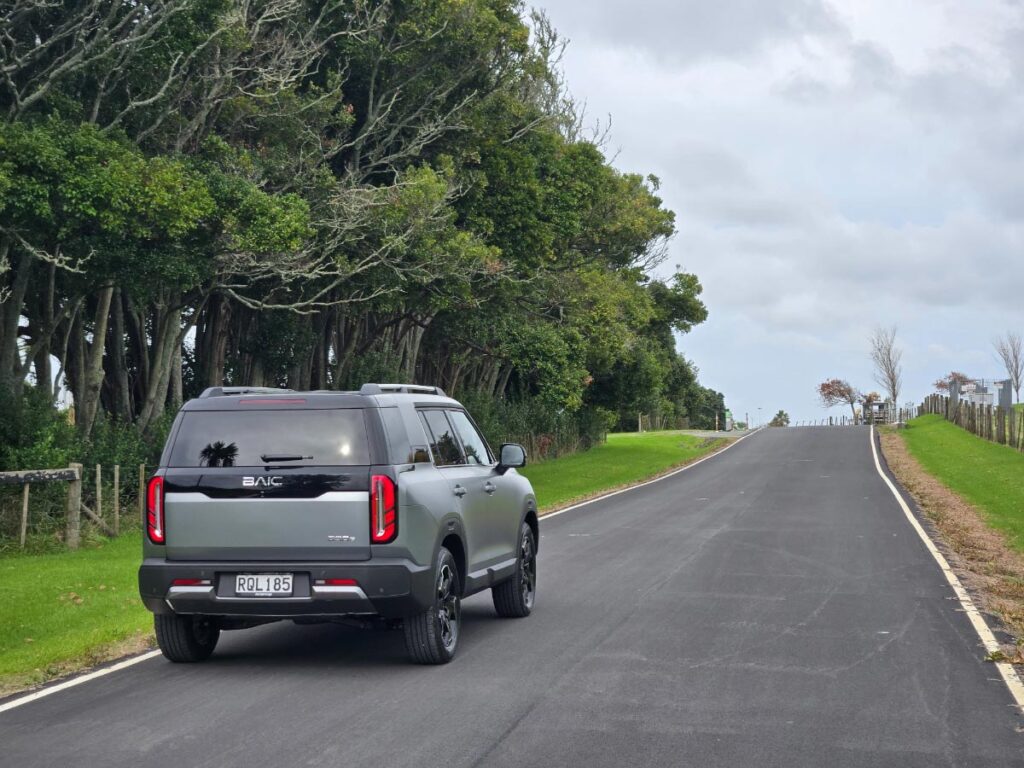
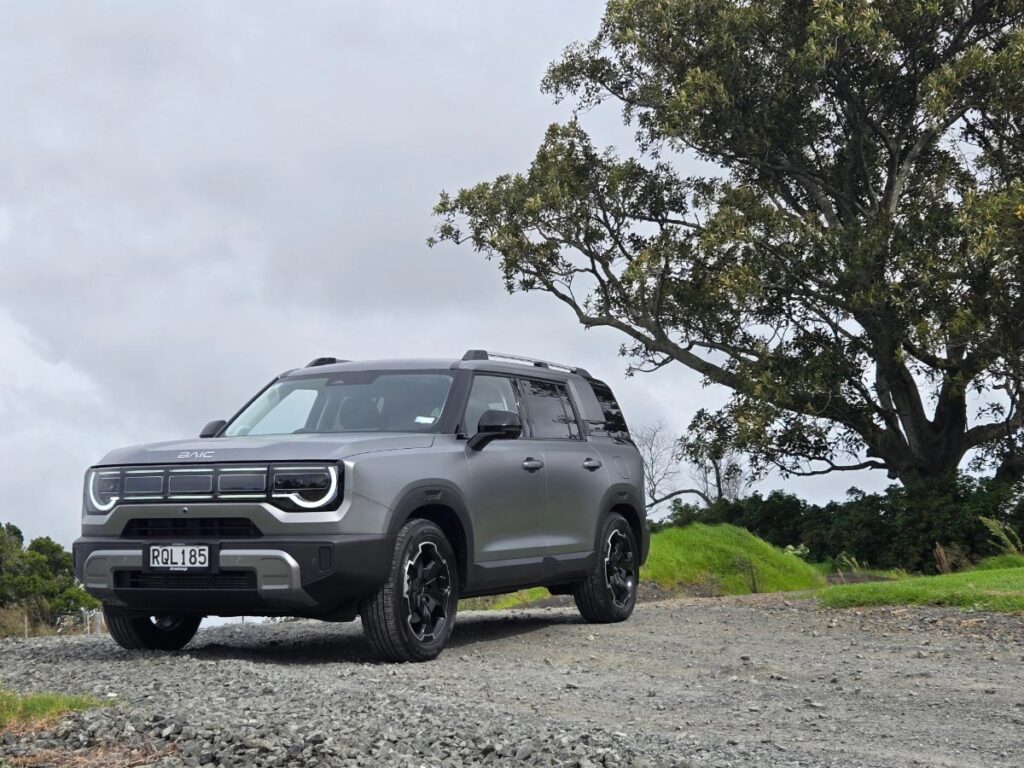
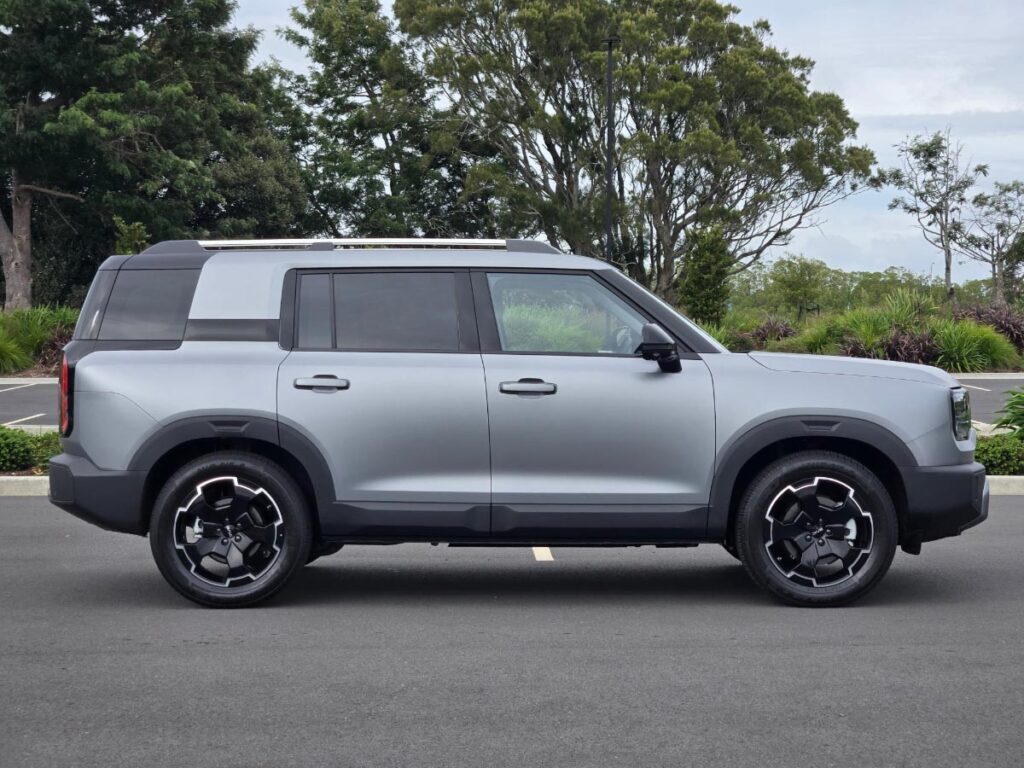
It might be the die-cast-model detailing, but the B30 is bigger than it looks. At 4730mm long, it’s well beyond the average for medium-SUVs (a RAV4 is 4600mm) and it’s also fairly tall and wide: 1790mm and 1910mm respectively.
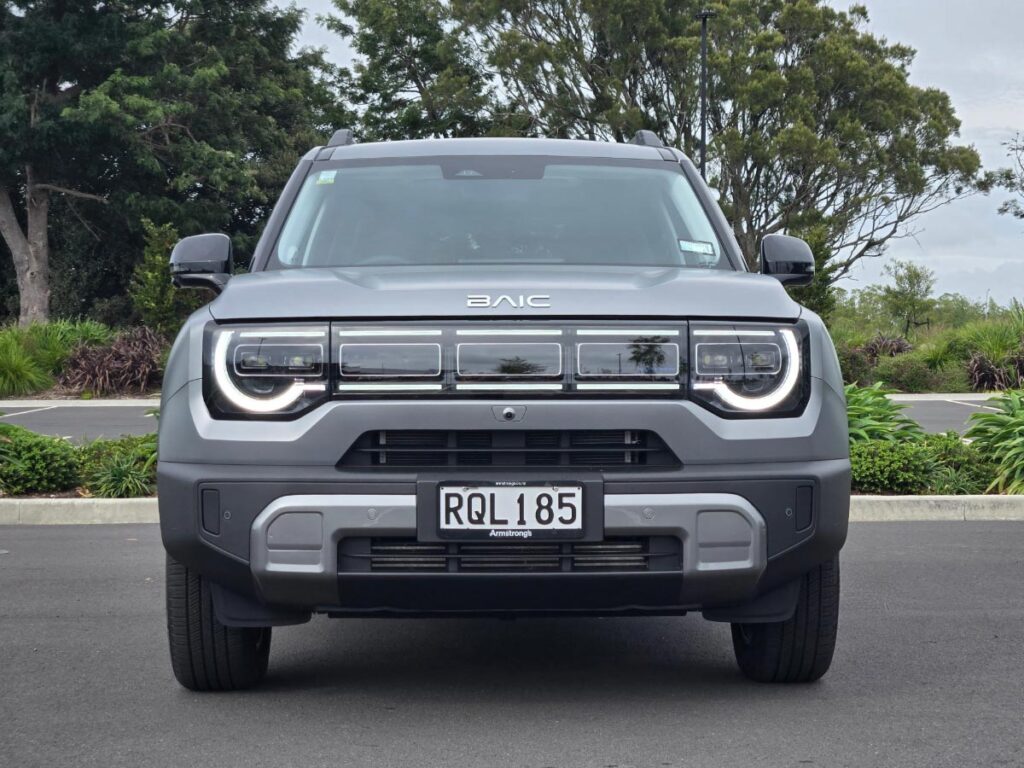
The styling is all 4×4-rugged, with lots of chunky black plastic body addenda and a wide, flat bonnet with a big dip in the middle, a bit like a Toyota Land Cruiser. In fact, the corners of that indentation are so deep they collected rainwater during our test… and retained it while driving.
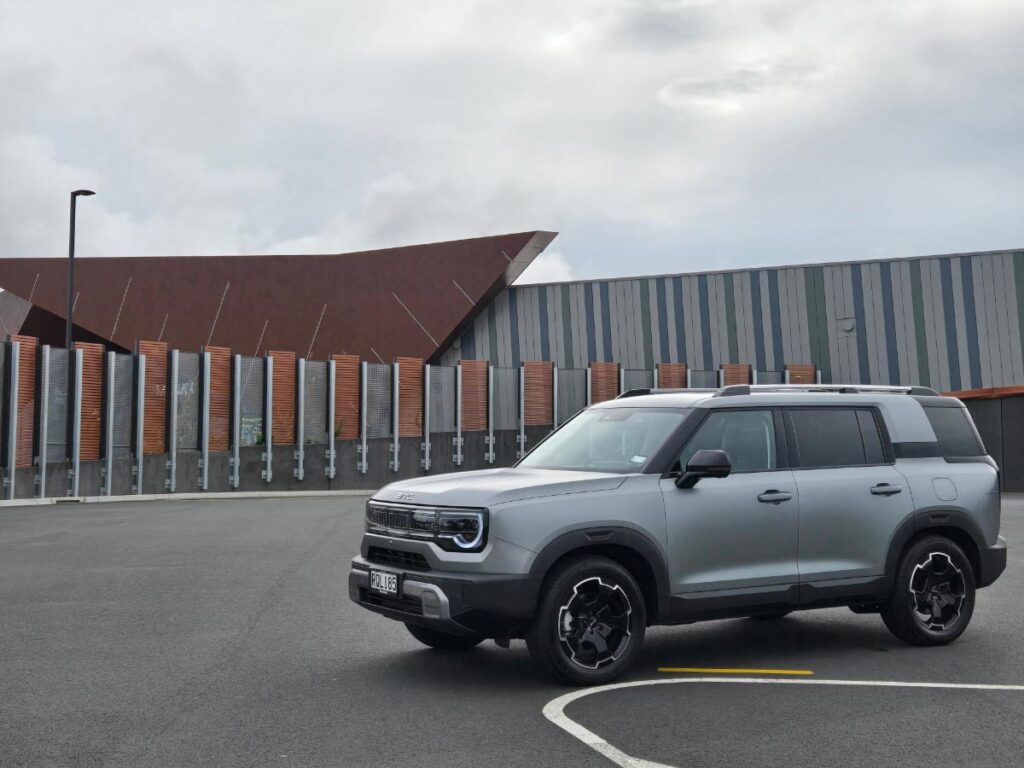
It’s all a matter of taste of course, but you can’t argue the B30 has quite a bit of visual character. Much of that is down to a novel “face” at the front, which blends a strong suggestion of retro-style round lights with an EV-style segmented light bar.
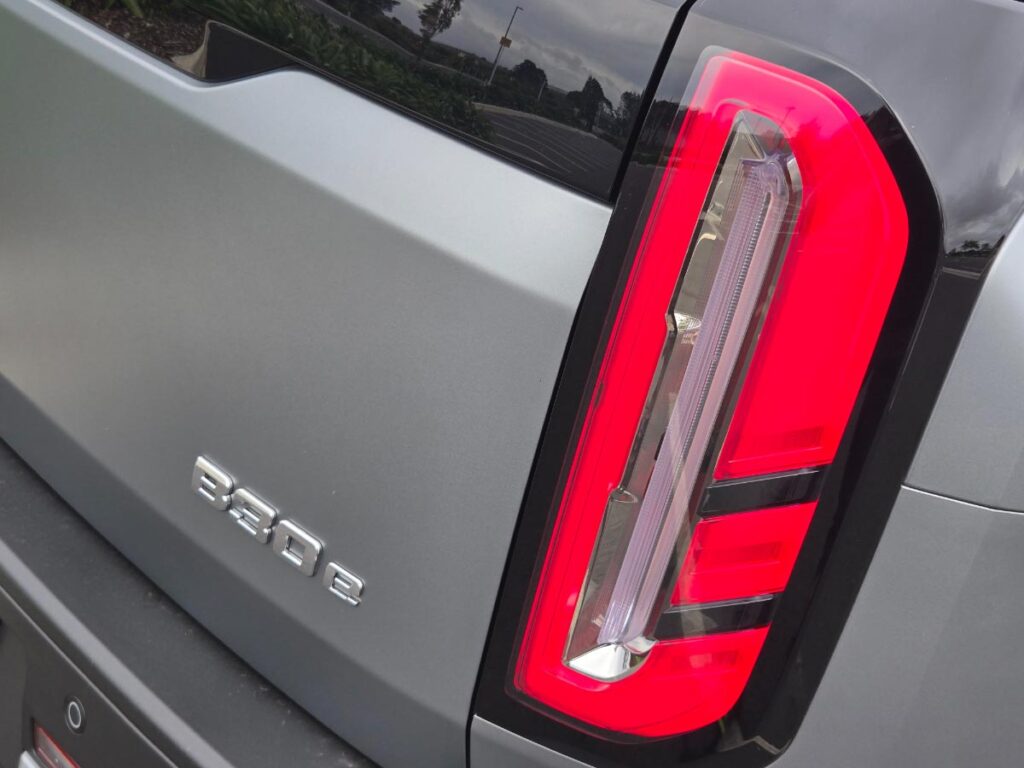
The vehicle is rather mysteriously badged as “B30e” on the tailgate, presumably to indicate it’s electrified. But it’s definitely just called B30 for NZ.
| Overview | |
| Price | $45,990 + ORC (special launch price) |
| Body style | Five door SUV |
| Wheels and tyres | 19 inch alloy wheels, 235/60 tyres |
| Length | 4730 mm |
| Wheelbase | 2820 mm |
| Weight | 1690 kg |
On the inside: what’s the BAIC B30 Premium Adventure 2WD cabin like?
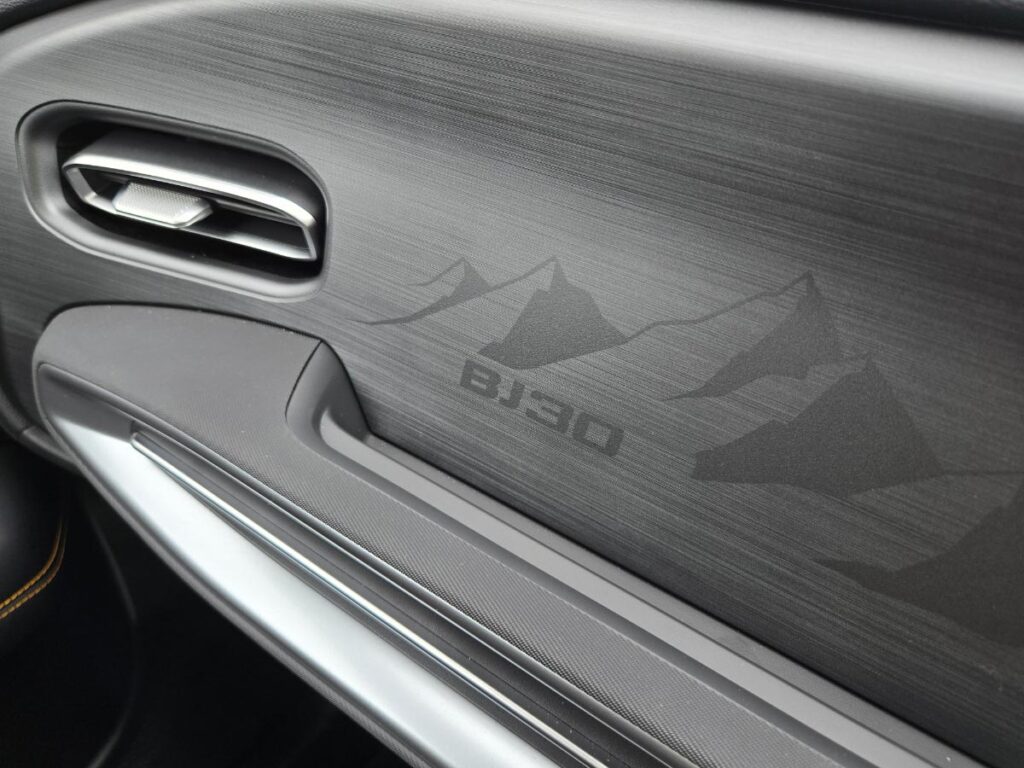
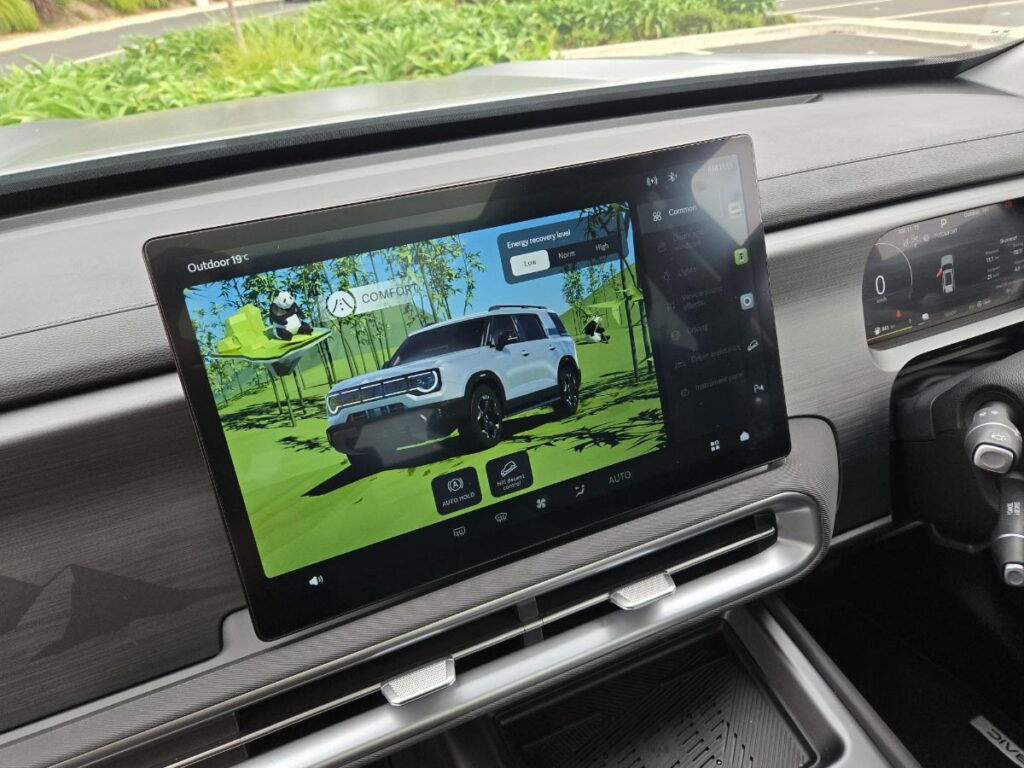
Or is it? Step inside and you’ll notice the BAIC is also badged “BJ30” on the passenger-side dashboard, which is what it’s called in China (apologies to Jeep again, or perhaps Toyota). Confusing. Just enjoy the nice picture of some mountains.
It’s a tidy cabin, with a layout that sticks pretty close to the “big screen, not many buttons” template. But the gearlever is a comedy shape, a bit like an aircraft throttle, and the drive-mode controller is big, round and blingy.
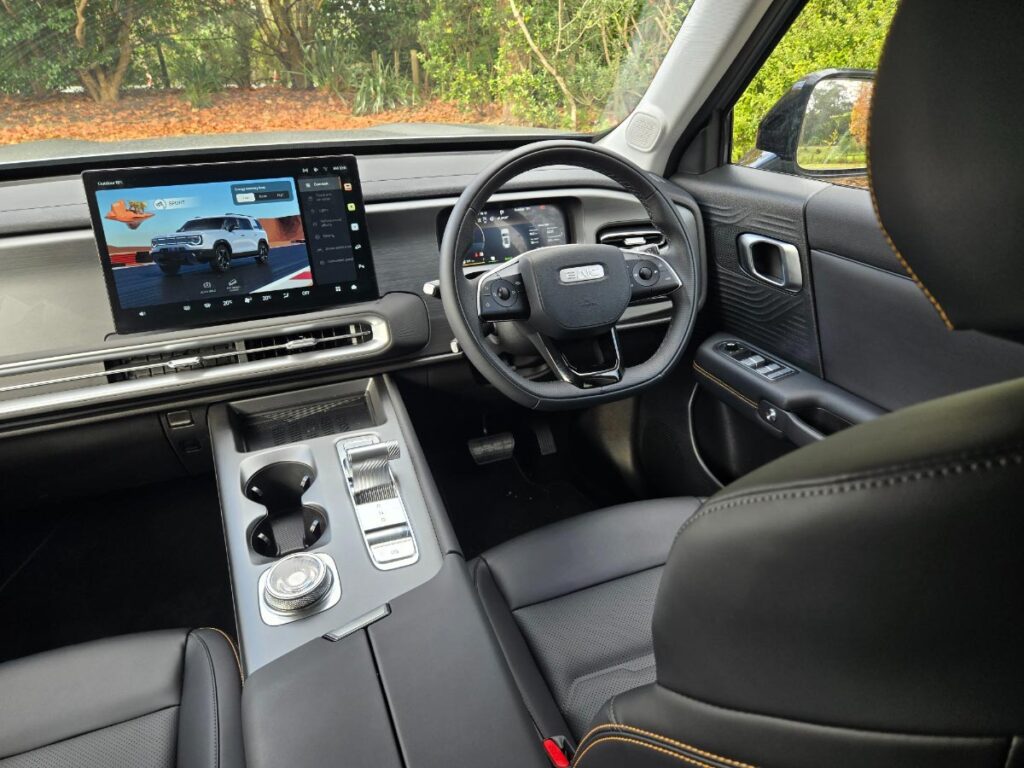
The screen itself is nicely laid out, with clear graphics and a dock of shortcuts along the bottom. It’s just a shame the response is a bit sluggish: sometimes you press, then press again because you’re not sure your instruction has registered.
The B30 is still a nice place to be because there are so many different textures on different surfaces. Not in a messy way; it all looks rather good.
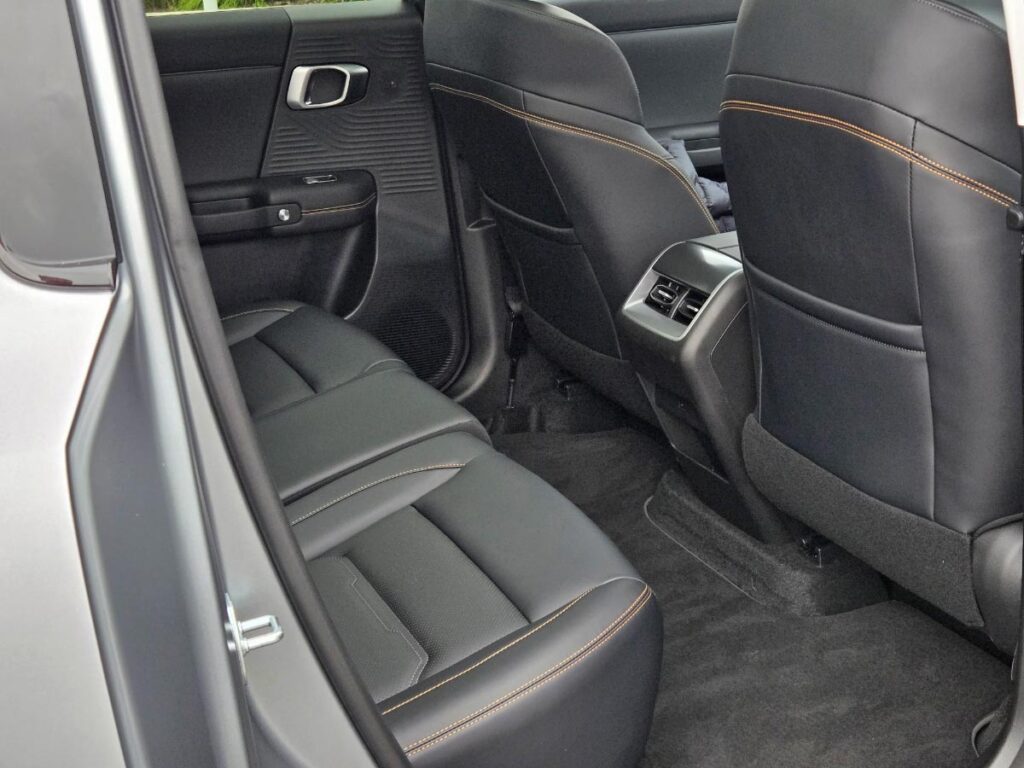
Rear-seat space is vast for a vehicle in this segment and the boot is equally impressive – although curiously, BAIC does not quote a capacity figure in litres, at least with the seats up. Seats-down, it’s 1496l.
Speaking of which: the B30 is another Chinese SUV (looking at you, Forthing Taikon) that features a totally flat load area thanks to rear-seat squabs that pivot forward to make room for the seatbacks. Such a simple thing that so many 5-door cars used to have… but don’t any more.
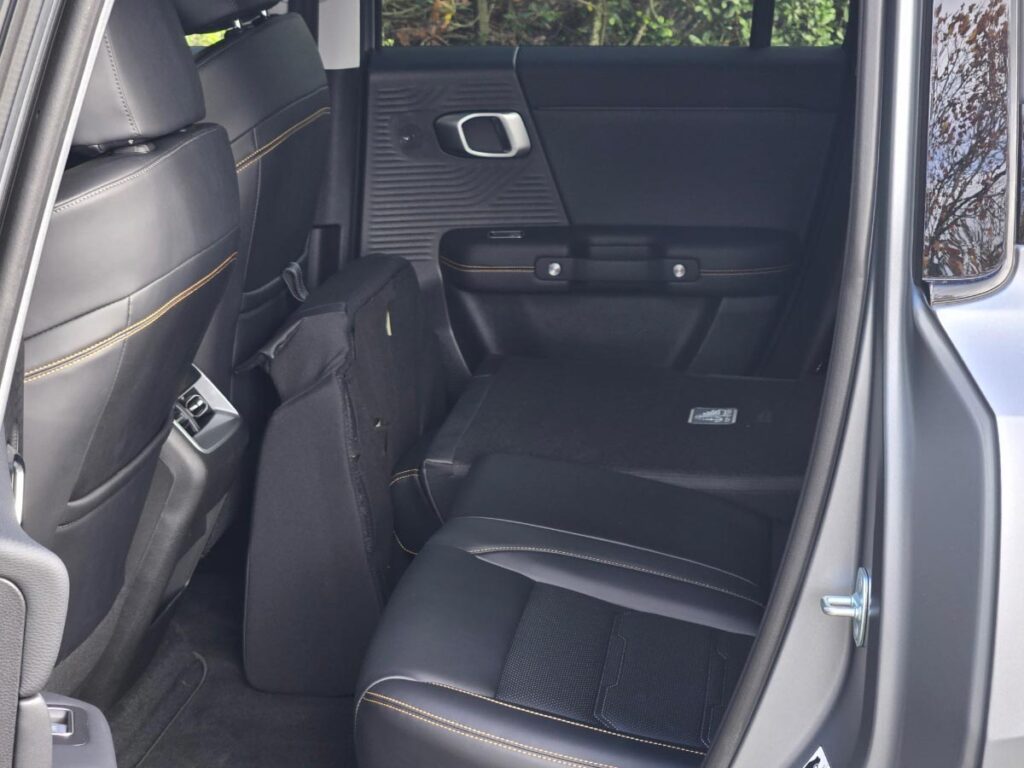
BAIC boasts this gives the B30 the potential to provide bedding, and with a load length of 1.9m it’s got a point. There’s a 3-pin power socket in the back and the powertrain can be switched into a camping mode to keep the hybrid battery charged.
Tucked behind the rear seats is a folding picnic table, which can be easily removed and united with legs stored under the boot floor. Nifty idea, although be warned: it’s comically low. Take picnic cushions, not chairs.
| Interior | |
| Head-up display | LED with high beam assist |
| Infotainment screen | 14.6 inches |
| Phone projection | Apple CarPlay, adaptor supplied for Android Auto |
| Wireless phone charger | Single |
| USB ports | 1x USB-A and USB-C front, 1x USB-C rear (12-volt front, 12-volt plus 3-pin plug cargo area) |
| Climate control | Dual zone front |
| Front seat heating/ventilation | Yes/No |
| Front seat adjustment | 6-way power for driver and front passenger |
| Boot capacity | 496 litres |
| Rear seat split/fold | 60/40 |
| Power tailgate | Yes |
On the road: what’s the BAIC B30 Premium Adventure 2WD like to drive?
The B30 powertrain might be a bit of a head-scratcher for some. It’s a HEV with a tiny 1.67kWh battery, not a plug-in, but it operates in a similar way to the new generation of super hybrids.
In short, electric drive is prioritised, meaning the petrol engine is often just acting as a generator to make electricity. Often, but not always. In fact, there are several different modes of operation.
At low speeds and for short distances, the B30 will drive as an EV. At medium speeds or if the battery is running low, the engine fires up as a generator (series drive) but keeps electric-drive. During faster motoring, both petrol and electric motors can drive the wheels (parallel drive).
And of course the system can recover energy while coasting or braking. It can also charge the battery while parked (camping mode).
Much of the above happens thanks to a dedicated hybrid transmission (DHT), which is what allows the B30 to blur the lines between HEV and super hybrid.
It works well in terms of fuel economy: the official figure is 6.3l/100km and we ended our week at 6.2l/100km, which included a wide variety of enthusiastic open-road driving. Around town, where technology like this is at its best, you can get into the 5l bracket.
It’s part of the tech package that the petrol engine will be running at weird times, given it’s not always directly connected to throttle position or speed. You’re very aware of it in the B30, because (a) the engine runs a lot of the time, even when the car is indicating it’s in EV mode and (b) it’s a bit gruff, transmitting tiny vibrations into the steering and front seat. It’s not what you’d call totally unrefined, but the engine is what you’d call obvious.
The powertrain is mostly quite composed, but it is possible to upset its equilibrium. During one spell of fairly, um, enthusiastic Sport-mode driving, the petrol engine bolted to the redline and stayed there, despite an immediate throttle-lift and much more moderate driving. Hard to ignore. The only thing that cut the revs was an application of the brake.
It’s possible the battery-buffer was near-flat and this was simply the car getting some emergency voltage to the right place (the same thing happened to us once in an MG Hybrid+).
Generally, the B30 rides and handles pretty well. Grip is fine but in wet conditions, the torque of the electric motor can get the front wheels spinning, which can also cause the DHT to “shunt” a bit. Maybe that AWD is a good idea after all.
| Specifications | |
| Powertrain type | Hybrid |
| Capacity | 1498cc petrol engine with full hybrid system |
| Power | 246 kW (combined) |
| Torque | 550 Nm (combined) |
| Transmission | Dedicated hybrid transmission, FWD |
| Power to weight | 146 kW/tonne |
| Adaptive suspension | No |
| Efficiency | 6.3 l/100km (3P-WLTP) |
| Tank size and fuel type | 60 litres, 92 octane (that’s what the fuel flap says, we figured you’ll be okay with 91) |
| Tow rating | 1.5 tonnes |
On ownership: what’s the BAIC B30 Premium Adventure 2WD warranty and servicing situation?
The B30 Premium Adventure is covered by 7 year/unlimited km warranty. The hybrid battery has an 8 year/unlimited km warranty.
It requires servicing every 12 months or 10,000km. BAIC offers service plans for this model: 3 years/30,000km ($1,590), 4 years/40,000km ($3,090) or 5 years/50,000km ($3,490).
On the whole: what do we think of the BAIC B30 Premium Adventure 2WD?
A big part of the B30’s appeal is price, especially the launch special sticker of $44,990 for this model. There are other medium SUVs that have hybrid power and start at under $50k (Toyota RAV4, Hyundai Tucson), but the BAIC’s rugged looks give it a different kind of appeal.
BAIC is still an unknown quantity to many mainstream buyers, and we get that. Perhaps it’s one for slightly brave buyers. But considered purely as a new product, we like the B30’s style, space and practicality. And the hybrid powertrain is indeed capable of impressive fuel economy.
BAIC B30 Premium Adventure 2WD FAQs
What kind of car is the BAIC B30 Premium Adventure 2WD?
A medium-sized family SUV.
Does the BAIC B30 Premium Adventure 2WD have hybrid or EV technology?
It’s a full hybrid (HEV) that can operate in several models through a dedicated hybrid transmission (DHT).
What’s the fuel economy of the BAIC B30 Premium Adventure 2WD?
It returns 6.3l/100km in NZ’s 3P-WLTP cycle.
Is the BAIC B30 Premium Adventure 2WD safe?
The B30 has not been tested by ANCAP (it’s not sold in Australia). It has a 5-star rating under NZ’s VSRR protocol.
What safety and assistance features does the BAIC B30 Premium Adventure 2WD have?
| Feature | |
| Intelligent lights | Automatic LED with high beam assist |
| Rain sensing wipers | Yes |
| Airbags | Dual front, driver and front passenger side, curtain |
| Adaptive cruise control | Yes |
| Driver attention monitor | No |
| Traffic sign recognition | No |
| Forward collision warning | Yes |
| Blind spot warning/assist | Yes/No |
| Lane departure warning/assist | Yes/Yes |
| Rear cross traffic alert/braking | Yes/Yes |
| Reverse collision braking | Yes |
| Parking sensors | Front and rear |
| Camera system | 360 degree with panoramic view |